If you’ve been in a roller skating class or have been scrolling the socials, you may have heard people talking about edges. But what are edges? What role do they play in your skating? How do you engage your edges? We’ve got the lowdown so you can take your skating up a notch.
What are edges?
Simply put, edges are when you put pressure onto one part of your skate to form a curve.
Starting with the basics, you have two edges, your inside and outside edges. The inside edge refers to placing the pressure on the inside of the foot or your inside wheels where you have your foot arch. The outside edge is where you place pressure on the outer edge of your feet or your outside wheels.
If you’re really getting into it, we have 4 wheels on each skate and can travel both forward and backward, this means we actually have 8 edges to utilise on our skates:
- Right forward inside edge – RFI
- Left forward inside edge – LFI
- Right forward outside edge – RFO
- Left forward outside edge – LFO
- Right backward inside edge – RBI
- Left backward inside edge – LBI
- Right backward outside edge – RBO
- Left backward outside edge – LBO
For example, if you’re rolling forward on the inside edge of your right foot this is called a “right forward inside edge”.
Why do we need to use edges?
Edges are integral to roller skating, it’s how we turn, manoeuvre and generate momentum. We use them from the most basic form of gliding right through to advanced skills for all the distinct kinds of skating styles and disciplines. Leaning into your edges lets you turn without stepping or pushing. Using specific edges is necessary to help you achieve footwork skills. Switching from one edge to another also helps to generate or maintain speed. Whenever you’re rolling you are using an edge.
How do I find or hold an edge?
You find or hold an edge in your skates when you apply weight or pressure to a specific area of your skates. This shift in weight and body alignment is then actioned by your plate, down to the cushions which compress and allow your trucks to move into position for the edge hold.
But, to find or hold an edge is more than simply shifting the weight in your foot, it requires strength, body alignment and lots and lots of practice.
- Align your body – Edges should be pure. This means creating a nice even lean throughout your body to get your weight over the edge in question. Imagine your body as a plank of wood, no one part of you should be sticking out.
- Strength – Edges, especially inside edges, can be very difficult to hold without the strength to support them. The two main parts we focus on are our core (to hold our body upright), and our glutes (to control the movement of our legs). That’s not to say we don’t use other parts of our body but that our core and glutes are major players when successfully holding an edge.
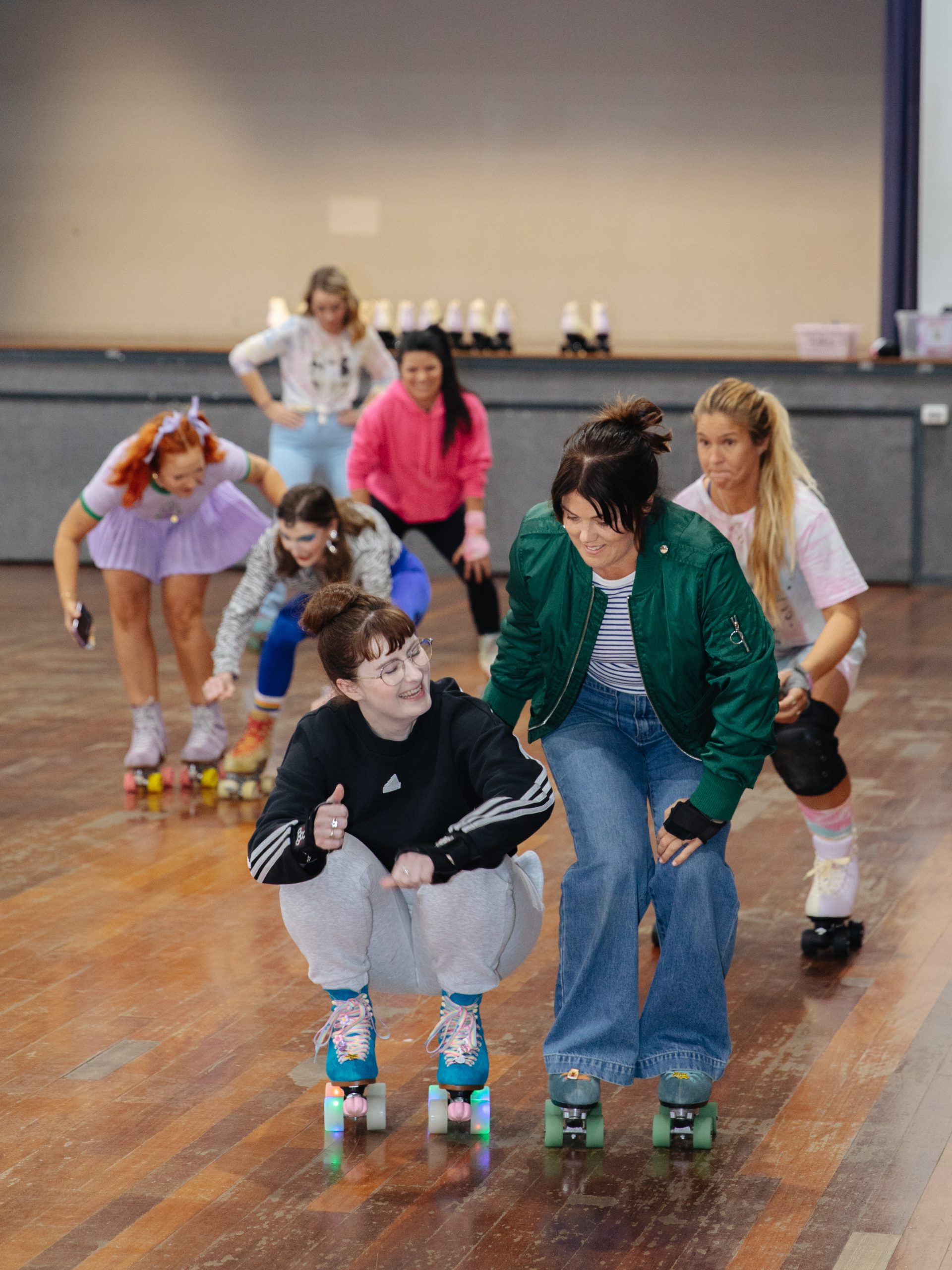
- Bending your knees – Yes, we say it all the time but it’s for a good reason. Bending your knees can help stabilise your edges by finding that sweet spot where you’re controlling the amount of pressure you’re applying.
- Practice all edges in all directions – Skating in a figure 8 can help you to start finding your edges on both feet, then one foot at a time, going forwards and then backwards. It requires repetitive practice to hone your base edge skills but having confidence in your edge abilities will make for less brain work when it comes to piecing edge work into footwork, roller dance moves, artistic sequences, carving a bowl or even cruising down your local street.
Troubleshooting your edge work
As skaters, we can often be quick to blame our skates for our lack of ability or perseverance. With that being said, if you’re really struggling with your edges there can be some hardware checks you can do to see if your skates are hindering the process.
Start with your trucks. How you like to adjust your trucks is a matter of personal preference. If your trucks are way too loose, you’ll find it more difficult to hold an edge without getting the wobbles. On the other end of the spectrum, if your trucks are too tight you may not be able to find that edge at all because your cushions are already squashed so much that they can’t compress and release that energy you’re sending them. Experiment with how you like your trucks but remember to loosen or tighten with quarter turns, a little adjustment can make a notable difference.
Next up are your cushions. Are your cushions the right hardness to help you find the edge in the first place or are they too soft that you fall out of the edge instead of being able to hold it? Figuring out what cushion hardness is best for you can be a combination of your size or weight and it can also be personal preference. We could spend another 5 minutes talking about the intricacies of cushions so if you’d like to learn more, check out this blog post.
Beyond your cushions and trucks, other hardware like your boots and plates can play a part. Do you have enough support in your boots to help you find and hold the edge? Is your plate performing at the level you need it to? Those trying more complex edge-based skills tend to opt for a stiffer boot to help support them and a higher performing plate for increased manoeuvrability. These factors come into play when you’re moving in that intermediate-advanced skating space but don’t let them become a reason to procrastinate on drilling your edge-based skills. If you’d like to explore new plate or boot options check out the RollerFit Shop and get in touch with our staff who can provide you with sizing advice and product recommendations.
I can already do edges! How do I make them better?
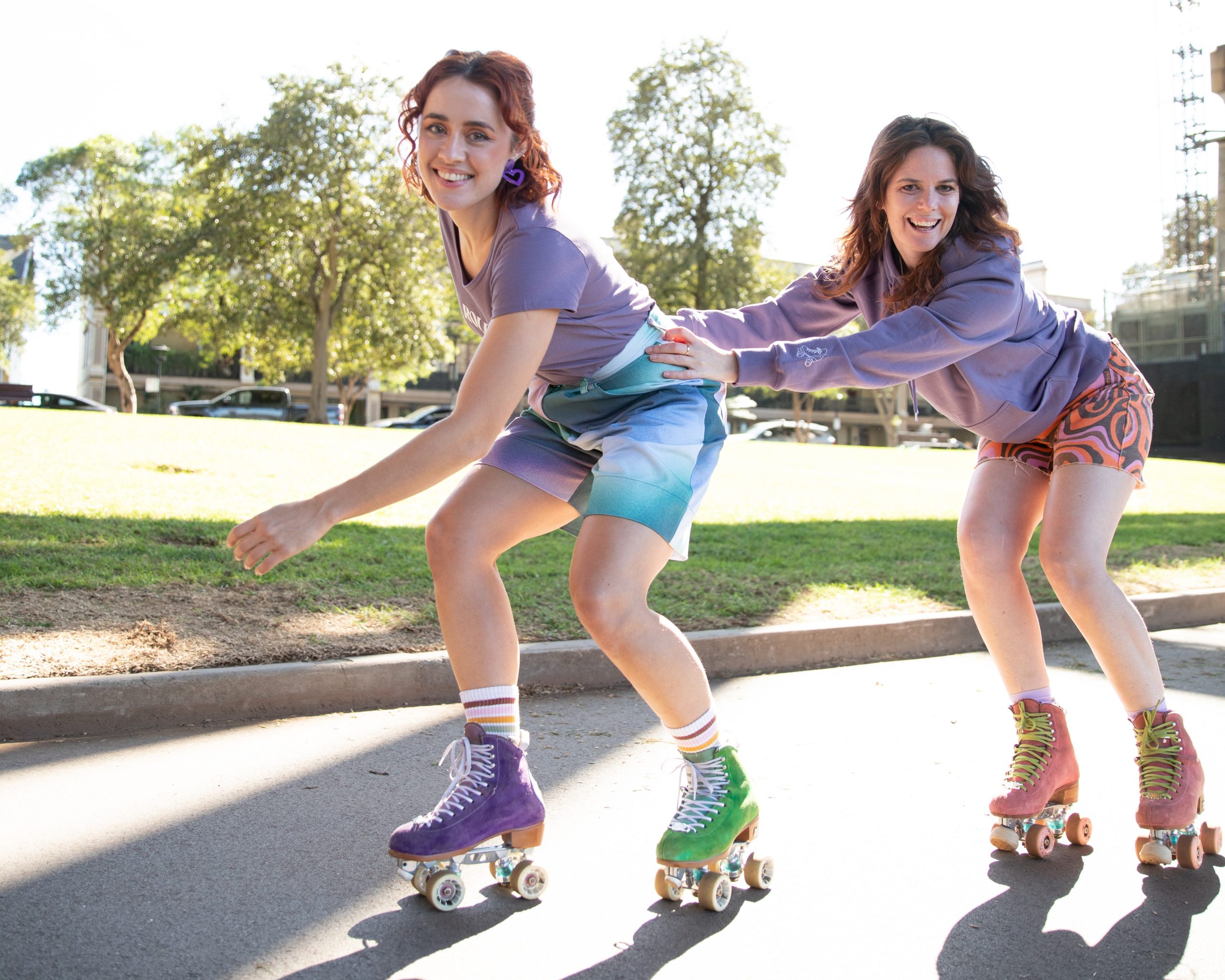
- Bending your knees (more) – Bending helps to put more pressure on the specific part of your skates which will then compress your cushion more, turning your trucks to a greater degree and creating a deeper edge. The more you bend the deeper the edge you can create!
- Lean more – Leaning more deepens your edges by putting the pressure further to the inside or outside of your skate. Be careful though, we usually combine this with our bending so we are more stable on our skate and have the strength to create that deeper edge.
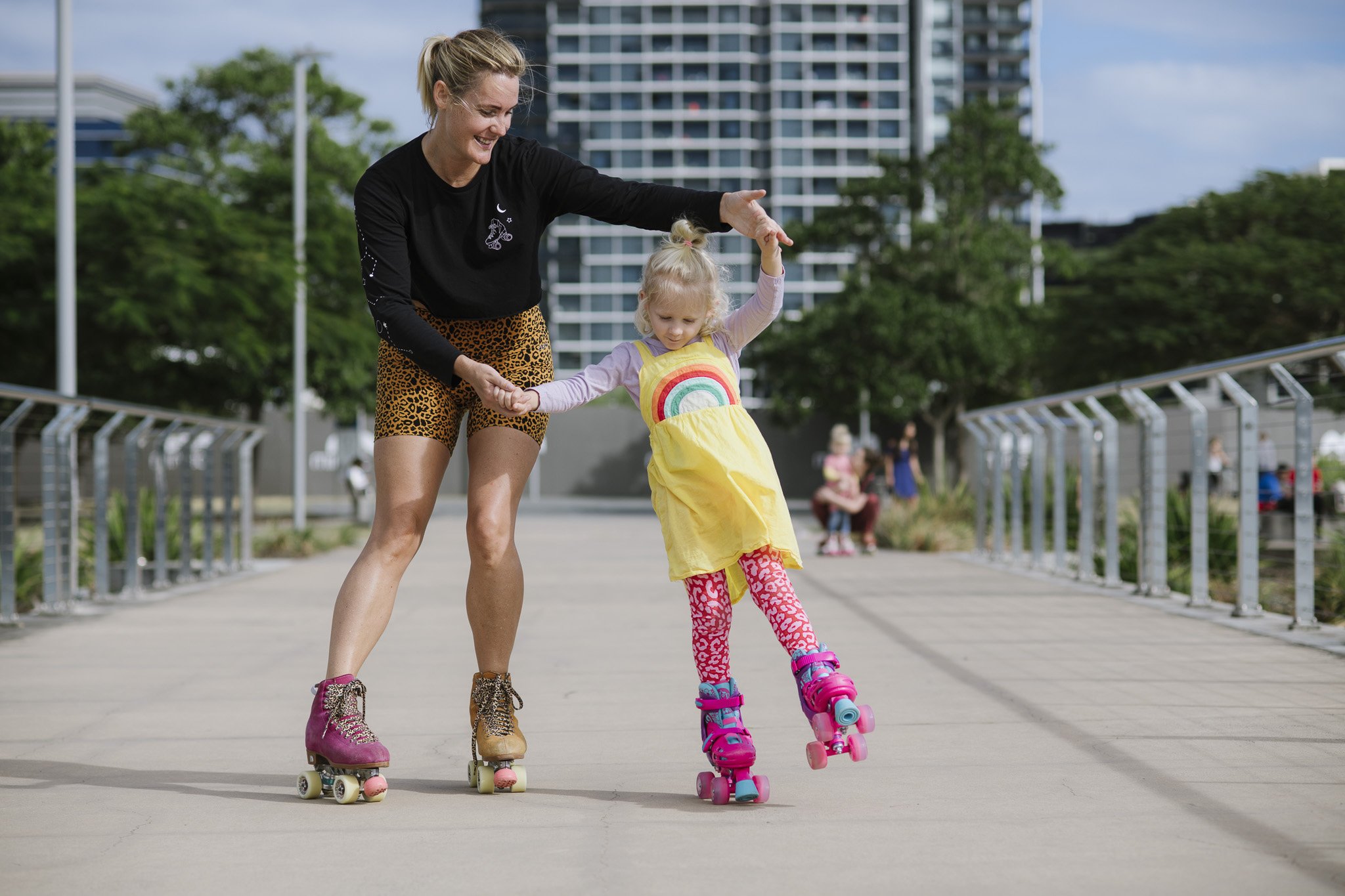
The best way to learn and improve your edges and general skating skills is to get yourself a good coach! Go along to roller skating classes where you can have an experienced skater provide you with some constructive critique on your form and give you those incredible little bits of info or tweaks that can help improve your skating week by week. Good things take time, and this is certainly the case for mastering your edges!